
Is Out of Home Advertising Right for Your Business?
A practical guide for SME leaders considering billboards and local outdoor advertising, with clear advice on expectations, creative and measurable impact.
2/25/20265 min read
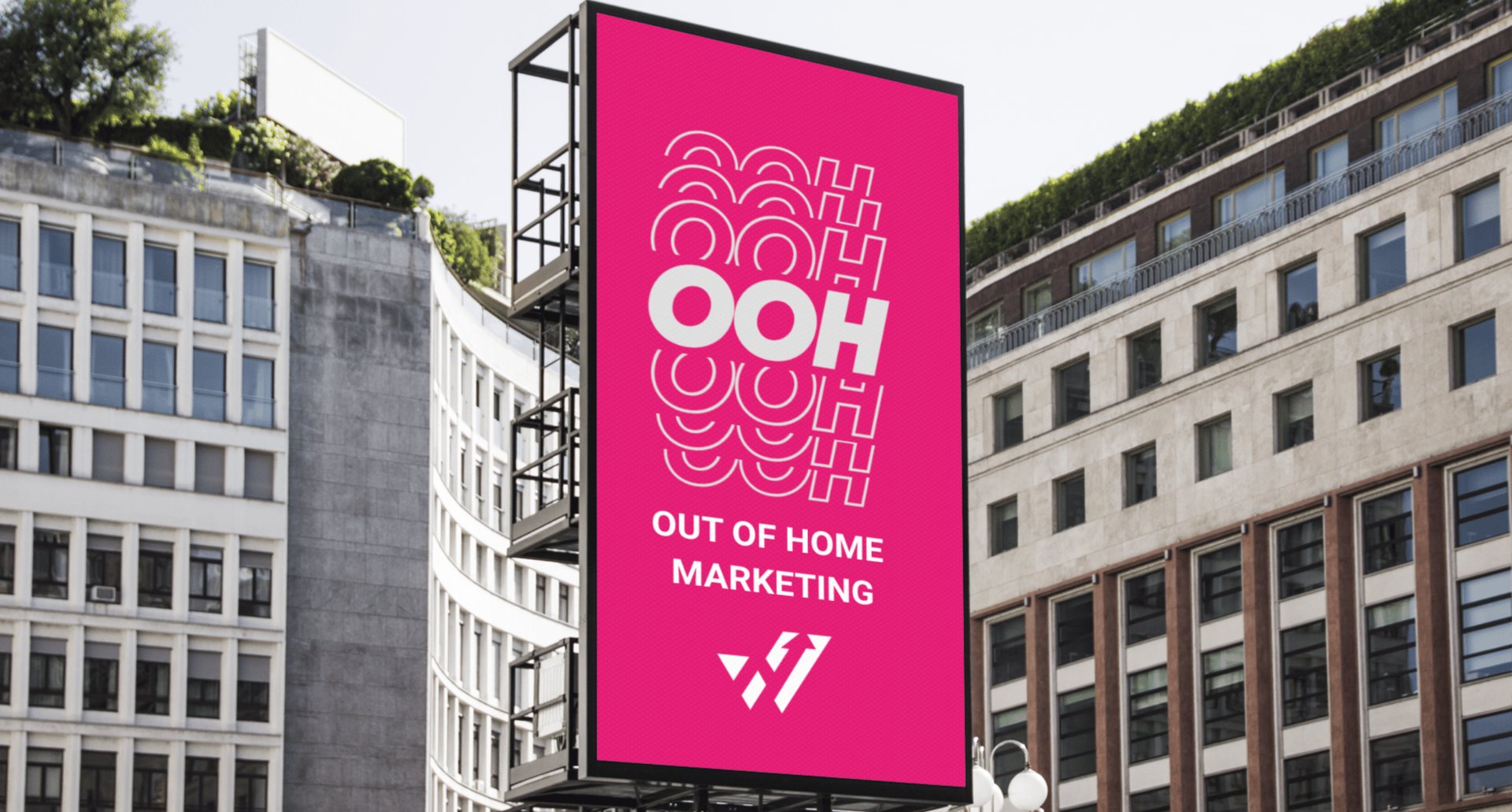
Out of Home marketing, often shortened to OOH, refers to any advertising people see when they are outside their homes. Traditionally this meant large roadside billboards, posters in bus shelters and adverts in train stations. Today it also includes digital screens in shopping centres, roadside digital panels and screens inside gyms, office buildings and retail spaces. For many SME owners and marketing managers, OOH feels like something reserved for national brands with deep pockets. In reality, it has evolved significantly and is now more accessible and more flexible than most people realise.
What is Out of Home marketing?
At its simplest, OOH is physical advertising placed in public spaces. Classic examples include large format billboards on busy roads, posters at bus stops, advertising panels in train stations and signage in city centres. Over the last decade, digital formats have transformed the channel. Digital screens allow creative to rotate between advertisers, change at different times of day and be updated quickly without print and installation costs. This evolution has lowered entry costs and opened the door to smaller businesses who want visibility in specific local areas.
It is important to understand that OOH is primarily a brand building channel, not a short term sales tactic. A billboard is unlikely to generate a spike in immediate online purchases in the same way a paid search campaign might. Its strength lies in building awareness, familiarity and credibility over time. It puts your brand in front of people repeatedly as they commute, shop or travel. The return is often seen in increased recognition, stronger recall and a lift in enquiries and branded searches rather than instant conversions. Setting expectations correctly at the outset prevents disappointment and allows you to judge success on the right measures.
Why location and audience relevance matter more than scale
One of the biggest misconceptions about outdoor advertising is that bigger is always better. In reality, relevance beats volume. A single, well positioned billboard outside a busy industrial estate, retail park or commuter route used by your target audience can outperform multiple poorly chosen sites. For a local accountancy firm, a site near business parks may be far more valuable than a larger site on a ring road with general traffic. For a gym, screens close to residential areas or near supermarkets may be more effective than city centre placements.
Hyper local targeting is where SMEs can compete effectively. You do not need to dominate an entire region. You need to appear consistently in the right places, where your ideal customers already are. We often support clients in mapping their customer journeys and identifying high value physical touchpoints before recommending any OOH investment. The strategic thinking behind the site choice is more important than the number of panels you book.
Keep the creative simple and bold
Outdoor advertising has one major constraint, attention span. People are driving, walking or waiting for transport. You have seconds to make an impression. The most effective OOH creative uses minimal copy, strong visuals and a clear, single minded message. A short headline, a distinctive image and a simple call to action such as a web address or memorable brand line usually outperform cluttered designs packed with information.
If you find yourself trying to explain your full service offering on a billboard, it is a sign the message needs refining. The aim is not to educate in depth. It is to spark recognition and curiosity. That curiosity can then be captured through other channels.
This is also where many campaigns succeed or fail. Strong outdoor creative is rarely about squeezing in more words. It is about defining the one message that truly matters to your audience and expressing it with clarity and confidence. We often help businesses step back, sharpen their positioning and develop OOH creative that is simple, distinctive and aligned with their wider brand, rather than treating the billboard as a standalone design exercise.
How OOH works with paid social, search and LinkedIn
Out of Home rarely works best in isolation. Its power increases when integrated with digital activity. When someone sees your brand on a billboard and later encounters a paid social advert or a sponsored LinkedIn post, the familiarity increases trust. If they then search for your company by name, your paid search activity captures that demand.
This is where many SMEs see real value. OOH drives awareness and legitimacy. Digital channels convert that awareness into measurable action. For B2B businesses in particular, combining local outdoor with LinkedIn advertising can reinforce positioning among decision makers. The physical presence signals scale and stability. The digital presence provides detail and an easy route to enquiry.
Digital OOH lowers the barrier to entry
Historically, outdoor campaigns required long booking periods and significant upfront investment. Digital OOH has changed that. Many screens can now be booked for shorter windows, sometimes just a week or two. Creative can be updated without reprinting costs. Messaging can be scheduled by time of day, for example promoting breakfast offers in the morning or professional services during commuting hours.
For SMEs testing the channel, this flexibility reduces risk. You can trial a small number of well chosen sites, monitor the impact and refine from there. It becomes a controlled experiment rather than a large, inflexible commitment.
How to measure effectiveness properly
OOH should not be judged by clicks. Instead, look at indicators that reflect awareness and intent. These include increases in branded search volume, uplift in direct website traffic, growth in local enquiries and improved engagement across your digital channels during the campaign period. We explore these measures in more depth in our separate article on brand awareness, where we explain how to track and interpret them in a practical way rather than relying on vanity metrics.
You may also see anecdotal evidence, prospects mentioning they saw your billboard or increased recognition in meetings. Over time, consistent visibility contributes to overall brand strength, which often translates into higher conversion rates across other channels. We support clients in defining clear baseline metrics before campaigns launch, so that performance can be reviewed in a structured and realistic way.
The psychological impact of appearing on a billboard
There is also a powerful psychological dimension to outdoor advertising. When your brand appears on a prominent billboard or digital screen, it signals confidence. It suggests stability, ambition and legitimacy. Prospects often assume that businesses visible in physical spaces are established and credible. For smaller companies competing against larger players, this perceived scale can level the playing field.
This effect should not be underestimated. In many buying decisions, especially in B2B, trust and perceived authority play a significant role. OOH can accelerate both.
So is OOH right for your business?
If you are looking for instant online sales, probably not on its own. If you want to build recognition in a defined area, strengthen credibility and support your wider marketing activity, it can be a powerful addition to your mix. The key is clarity of objective, smart site selection and disciplined, simple creative.
For SME leaders, the question is not whether you can match the spend of national brands. It is whether you can appear consistently and confidently in the places that matter most to your audience. If you are considering billboard or local outdoor advertising and want clear, commercially grounded advice, WrightWay Marketing can help you assess whether OOH fits your growth plans, refine your key messaging and develop creative that works in the real world, not just on a screen. Take a look at www.wrightwaymarketing.co.uk and start a conversation about what the right mix looks like for your business.