
What Is GEO Marketing and Why It Matters for Small Businesses in 2026
AI is reshaping how buyers shortlist suppliers. This guide explains GEO marketing, why it matters for SMEs, and how to stay visible in AI-driven decisions.
2/20/20264 min read
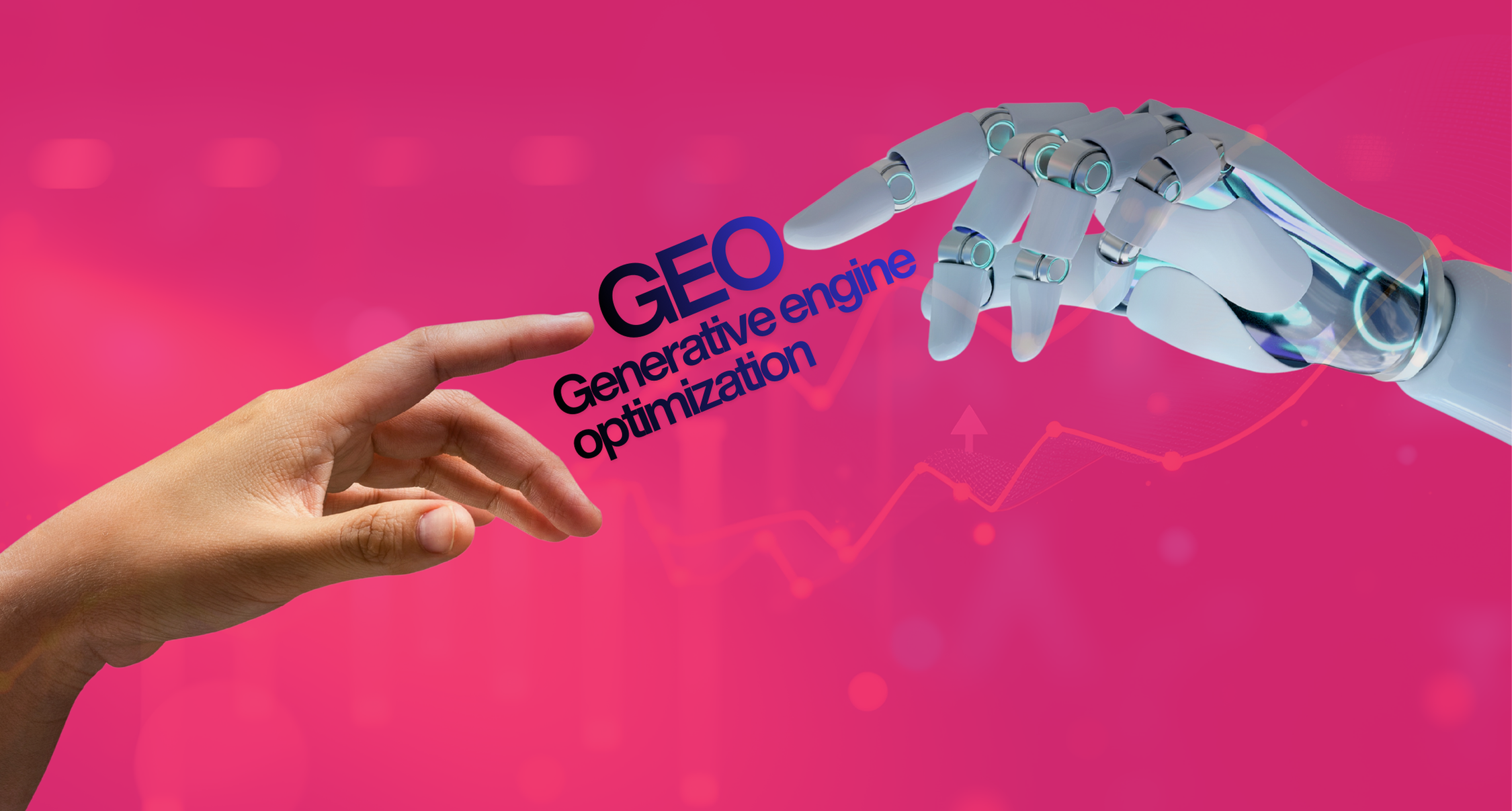
What Is GEO Marketing and Why It Matters for Small Businesses in 2026
Over the past two years, the way people search for information has changed quickly. Tools such as ChatGPT and Google’s AI powered search features now generate answers directly, rather than simply listing links. As we move through 2026, that behaviour is becoming normal, not novel. This shift has led to the rise of GEO marketing, short for Generative Engine Optimisation. If you run a small or medium sized business, the important question is not the terminology. It is whether this change affects how your future customers find and choose suppliers. In many sectors, it already does.
What is GEO and when did it materialise?
GEO emerged alongside the mainstream adoption of generative AI tools from late 2022 onwards. Instead of typing short keywords into a search engine, users increasingly ask full questions and expect structured, summarised answers. In simple terms, GEO is about ensuring your business is clearly understood, accurately represented and credible enough to be referenced or recommended within those AI generated responses. For SMEs, the practical implication is straightforward. If buyers are using AI to shortlist suppliers, the businesses that are clearly explained, consistently positioned and widely referenced online are more likely to be surfaced.
The decision impact is strategic. This is not about chasing the latest marketing trend. It is about recognising that research behaviour is evolving and adjusting your visibility accordingly.
Will GEO actually drive me more enquiries or sales?
GEO can contribute to enquiries and sales, but it is not a quick fix. It supports visibility and credibility at the research stage of the buying journey. When AI tools generate answers, they draw on patterns across large volumes of content. If your business is consistently associated with a specific service, sector or expertise, you increase the likelihood of being mentioned when relevant questions are asked. For SMEs, this means GEO should be seen as part of your long term authority building. It strengthens your position in the consideration phase. It does not replace your sales conversations, referrals or partnerships.
From a decision making perspective, ask yourself this: if a prospect asks an AI tool for recommended providers in your space, would your business be clearly identifiable and described accurately based on your current online presence? If not, there is a visibility gap that may affect future enquiries.
How is GEO different from traditional SEO?
Traditional SEO focuses on ranking your website in search engine results pages. The objective is to appear as high as possible for specific keywords and generate clicks. GEO shifts the focus from ranking to recognition. Instead of optimising purely for search engines, you are strengthening the signals that help AI systems understand who you are, what you do and who you serve. SEO is largely technical and keyword focused. GEO is more closely linked to clarity, authority, topical depth and consistent positioning across platforms.
For SMEs, the implication is that marketing development may need to go beyond keyword driven blog posts. Clear service pages, in depth explanations, sector specific insights and consistent messaging across your website and LinkedIn presence become increasingly important. The decision impact is about balance. SEO still matters in 2026. But relying on rankings alone may not be enough as AI driven discovery becomes more embedded in day to day business research.
What signals make AI engines recommend or cite a business?
AI systems analyse patterns in publicly available content. While no provider publishes an exact formula, certain factors are widely recognised as influential. These include clear and consistent descriptions of what your business does, evidence of expertise, mentions from reputable sources, structured and well organised content, and alignment between your website, profiles and published materials. For SMEs, this means your marketing should answer real questions clearly and in plain English. Vague or generic messaging makes it harder for AI systems to confidently associate you with specific problems or solutions.
The practical implication is that credibility signals matter. Case studies, detailed service explanations, leadership commentary and industry specific content all help build a stronger digital footprint. For many business owners, the challenge is not understanding this, it is finding the time to execute it properly. At WrightWay Marketing, this is exactly what we support with. We work with SMEs to clarify positioning, develop structured content and ensure messaging is consistent across platforms. By handling the planning and production of authoritative content externally, we help alleviate internal time pressures while building the kind of visibility that supports both SEO and GEO.
The decision here is about resource allocation. If your internal team is stretched, bringing in experienced external support can accelerate progress without distracting from core operations.
How do I measure whether GEO is working?
Measurement is less direct than traditional SEO, but it is possible to assess meaningful indicators. You can monitor changes in branded search volume, direct website traffic and enquiry quality. You can also test relevant prompts in AI tools to see whether your business is mentioned and whether it is described accurately. Another useful indicator is what prospects tell you. If more enquiries reference AI tools or mention that your content was surfaced in an AI generated answer, that is a practical signal of growing visibility.
For SMEs, the key is to avoid expecting instant spikes. GEO impact is gradual and cumulative. It reflects how clearly and consistently your business is positioned over time. The decision impact is about managing expectations. If you need immediate lead flow, paid advertising may deliver faster results. GEO supports longer term positioning and authority.
Is GEO worth your time and investment compared to other marketing activity?
For most SMEs, GEO should complement rather than replace existing marketing. Referrals, networking, partnerships and targeted campaigns remain effective. However, as AI assisted research becomes more embedded in how decision makers evaluate options, ensuring your business is visible and accurately represented within those systems becomes increasingly important.
The sensible approach is integration. Strengthen your messaging. Clarify your services. Publish genuinely useful insights. Maintain consistency across your digital presence. When approached strategically, this supports traditional search, AI generated visibility and overall brand credibility at the same time.
In summary
GEO marketing reflects a broader shift in how business leaders research and shortlist suppliers in 2026. It is not about gaming algorithms. It is about clarity, authority and consistency. You should now have a clearer understanding of what GEO is, how it differs from SEO, what signals influence AI recommendations, how to judge whether it is working and whether it deserves your attention. The real question is simple. Are your buyers using AI tools to inform their decisions? If they are, then your business needs to be visible, credible and clearly positioned in that environment.
If you would like support reviewing your current positioning or building a content strategy that strengthens both SEO and GEO visibility, get in touch with WrightWay Marketing. A focused, strategic approach now can help ensure your business remains visible and competitive as AI driven research becomes the norm.